


“The public must decide whether it wishes to continue on the present road, and it can only do so when in full possession of the facts. In the words of Jean Rostand, ‘The obligation to endure gives us the right to know.” — RACHEL CARSON, THE SILENT SPRING, 1962
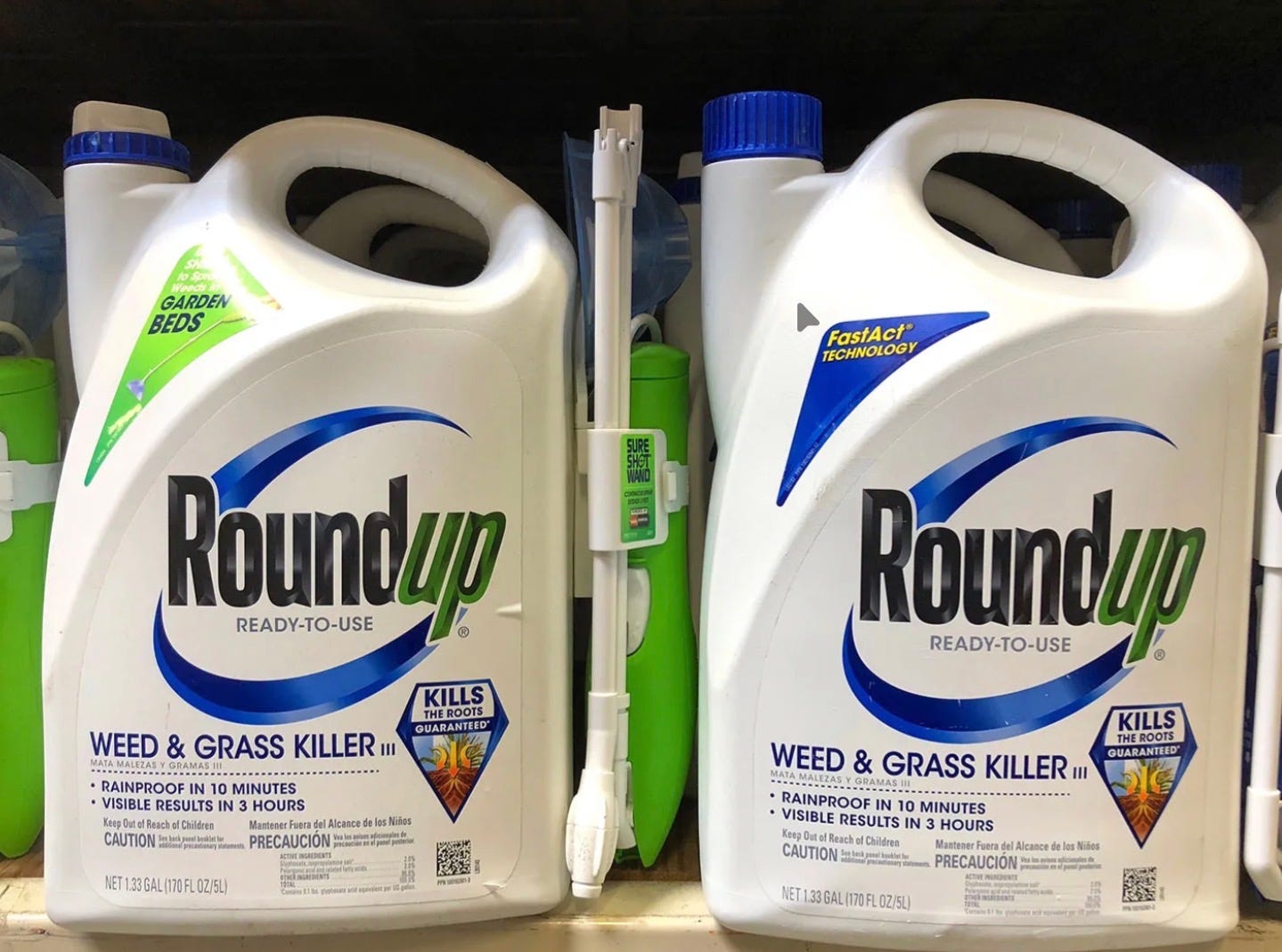
You’ve probably heard about the harms of glyphosate — known commercially as Roundup — by now. The manufacturer Bayer (previously Monsanto) has been making headlines for many years, most notably the company paid more than $12 billion in settlements to people who say that Roundup gave them cancer. Multiple forms of cancer in humans are linked to glyphosate, including non-Hodgkin lymphoma, leukemia, and multiple myeloma, among others. But that’s not all, Roundup is linked to disruptions to the microbiome and integrity of the gut lining, harms to metabolic health including obesity, diabetes, and liver and kidney disease, impairments to fertility, and developmental problems in babies and children. I could go on and easily fill this entire piece with pages and pages of studies that show harms to human health from glyphosate — but I will direct you to an excellent recent article from US Right to Know if you want to take a look at the evidence. In 2015 the World Health Organization declared glyphosate a probable carcinogen and yet the use of it continues to rise.
Now it’s 2026 and Mother Jones just published a bombshell report that found The California Forest Service would, “starting in spring 2026, spray glyphosate on some 10,000 acres of public land in Lassen to wipe out leafy plants and shrubs that might compete with replanted conifers, whose needles allow them to tolerate the chemical.” This is not a new practice, as Nate Halverson uncovered in his research for Mother Jones — the widespread spraying of glyphosate in forests has been ongoing for decades without the public knowing. “The amount applied annually in state forests — 266,000 pounds of pure glyphosate in 2023, the latest year for which data was available — is nearly five times what it was two decades ago… forest uses have become the herbicide’s fastest-growing market in California,” Halverson writes.
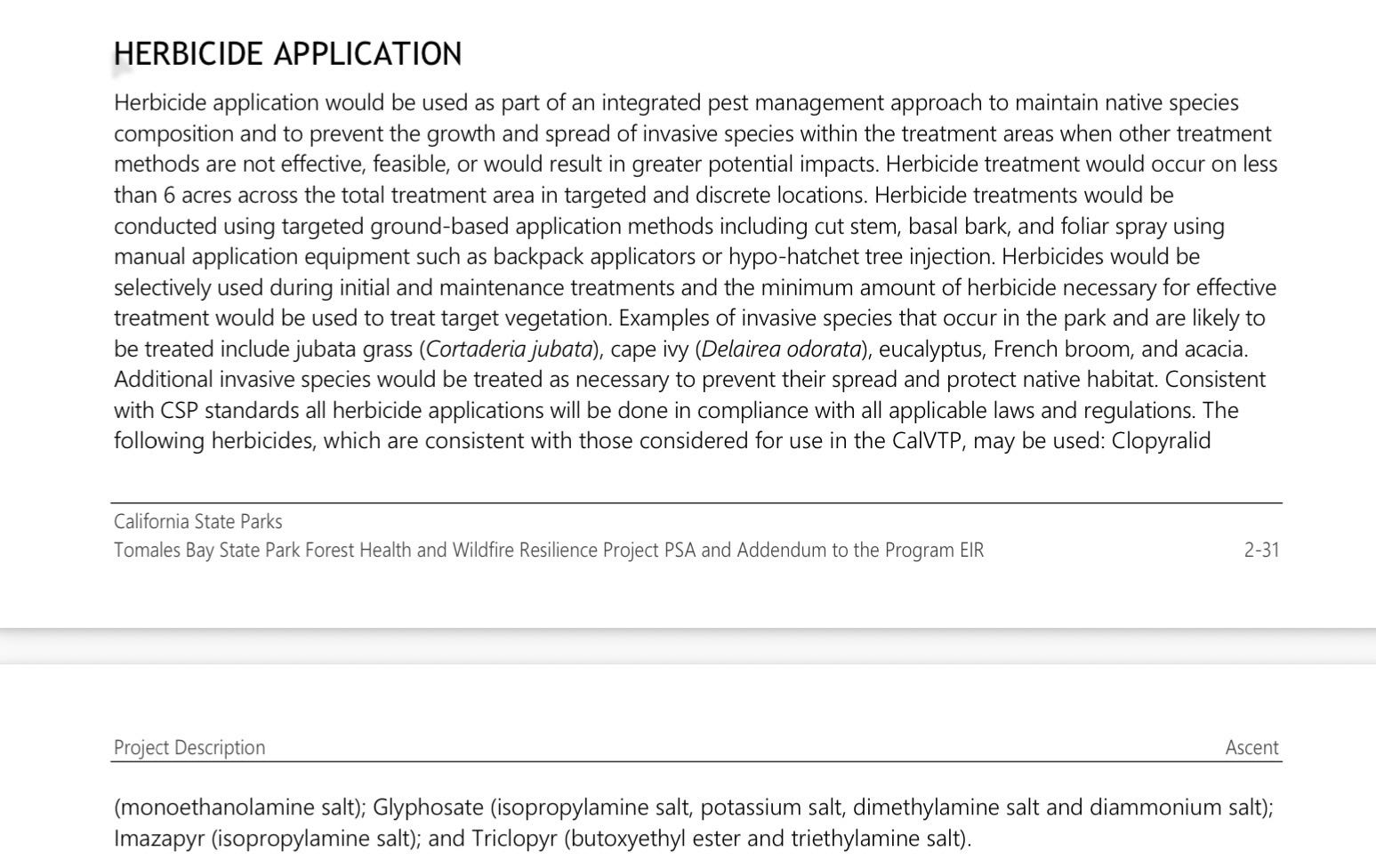
I recently found out about a forest “restoration” plan right near where I live in West Marin, California. According to the report, the California Parks Department will potentially use glyphosate, among several other herbicides to control non-native plant species. Here’s the section on usage from the report:
And here’s the map showing where they may use herbicides:
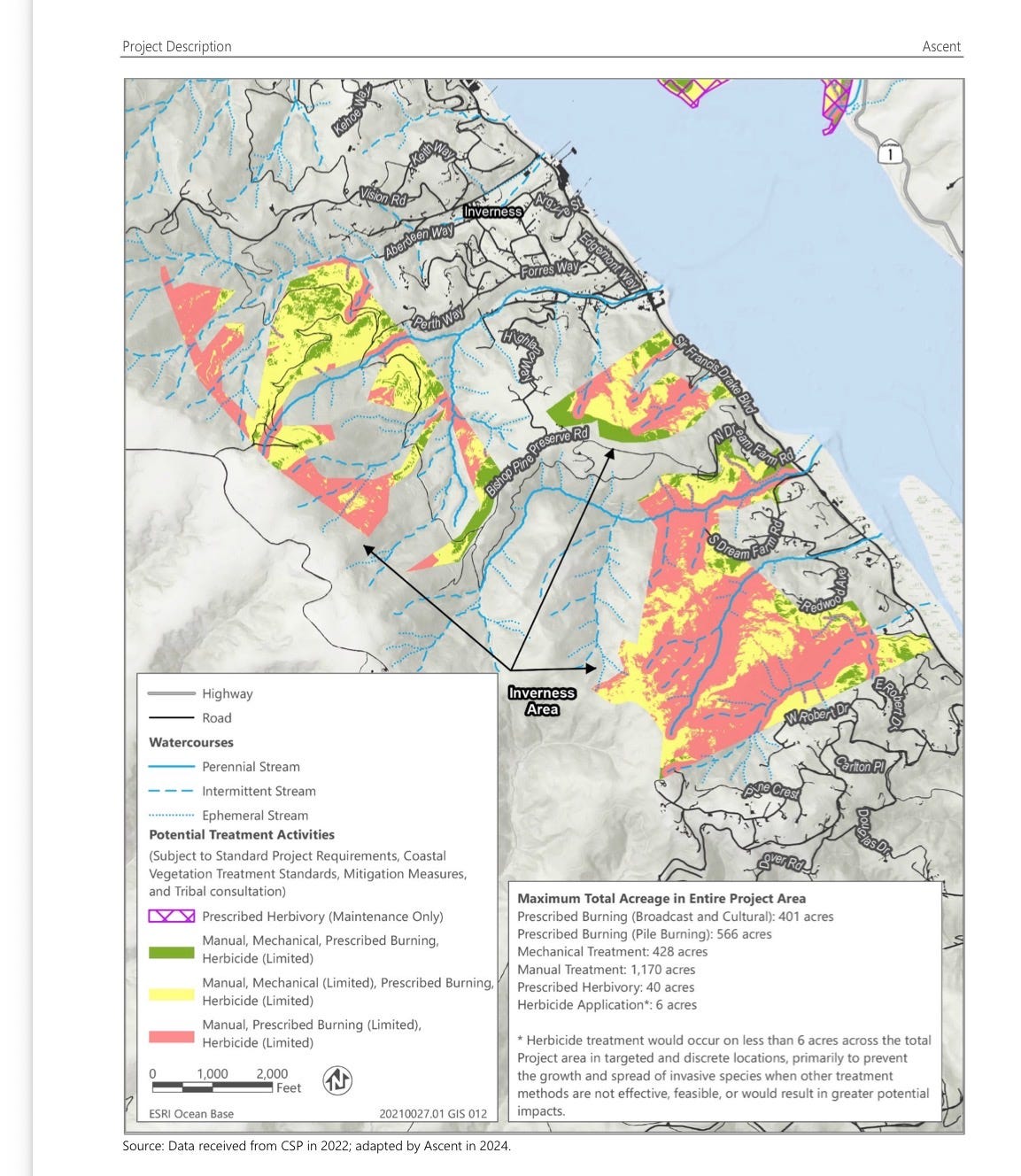
Some of these areas highlighted are near homes and many of these areas immediately surround sensitive waterways, creeks, and other bodies of water that flow down toward the Tomales Bay, which is a critical wildlife area — a blend of estuarine, wetland, and surrounding upland habitat. It’s host to more than 490 migratory birds, among hundreds of other species that are endangered or threatened including California Fresh Water Shrimp, Coho Salmon, the California Red-Legged Frog, the California Tiger Salamander, and the Northern Spotted Owl. Of further concern are the many other animals that drink water from these sources — this land is home to mountain lions, bobcats, coyotes, foxes, deer, weasels, badgers, raccoons, squirrels, chipmunks, and countless other creatures.
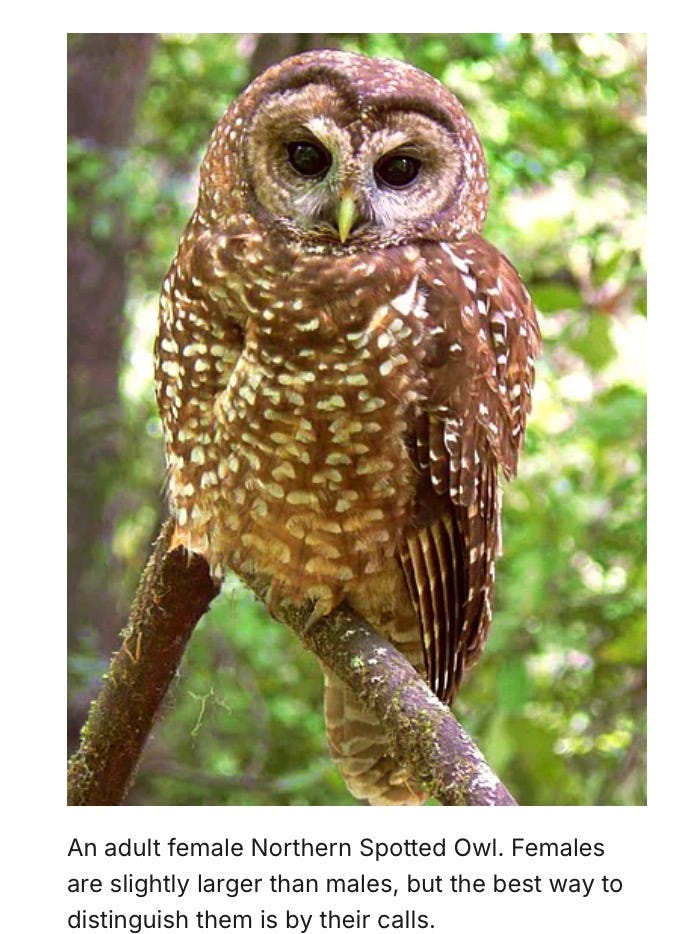
Glyphosate harms birds by reducing insect populations that they rely on for survival. In areas that are treated with herbicides, the reduction in bug populations can result in starving nestlings, killing an entire generation of birds. Direct exposure to birds can cause severe eye and respiratory irritation leading to death. In quail, parental exposure to glyphosate can transfer to eggs and cause damage to embryonic and brain development. And just like in humans, exposed birds can experience cellular and microbiome damage. For species like the Northern Spotted Owl, the herbicide destroys crucial nesting materials and sites and reduces the available habitat for small mammals which the owl relies on for food.
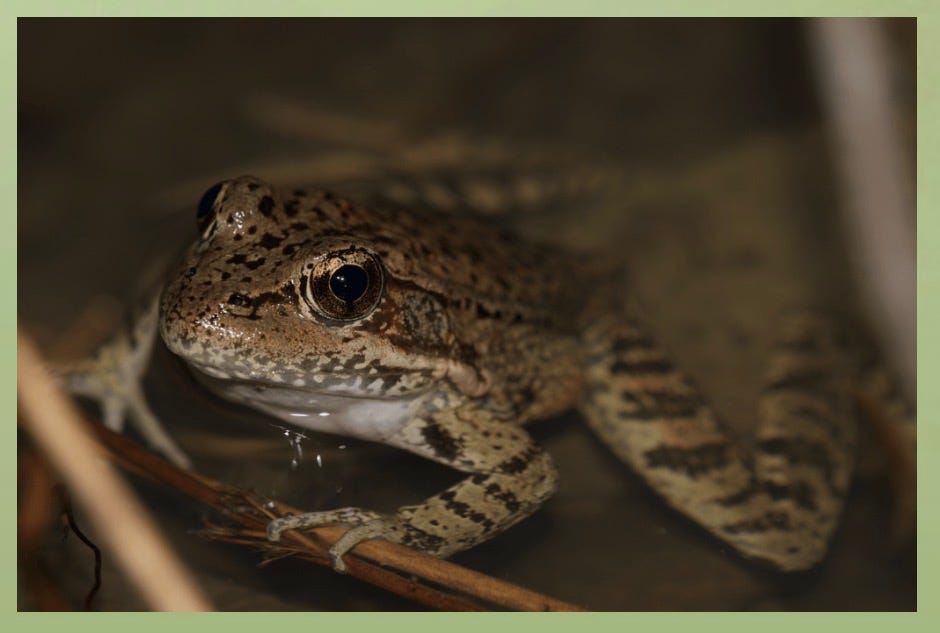
The Coho Salmon’s sensitive sense of smell is harmed by glyphosate, leaving them disoriented and vulnerable. It also reduces egg viability and decreases spawning success. Surfactants in herbicide formulas designed to permeate plant walls penetrate the thin skin membranes of the Red Legged Frog leading to suffocation in tadpoles. In general, amphibians are highly sensitive to glyphosate and other herbicides and they can be killed directly and immediately. As such, the California Tiger Salamander is harmed in the same way. In addition, the use of herbicides removes understory, brush, and reduces leaf-litter which keeps soil moist and the environment humid, without which salamanders can dehydrate and die.
For the Tomales Bay Restoration Project they intend to use herbicide treatments on six acres of land, this is small-scale compared to the 10,000 acres being treated in the Tahoe area reported in Mother Jones, but in such a critical wildlife area it will still have major and long-lasting consequences.
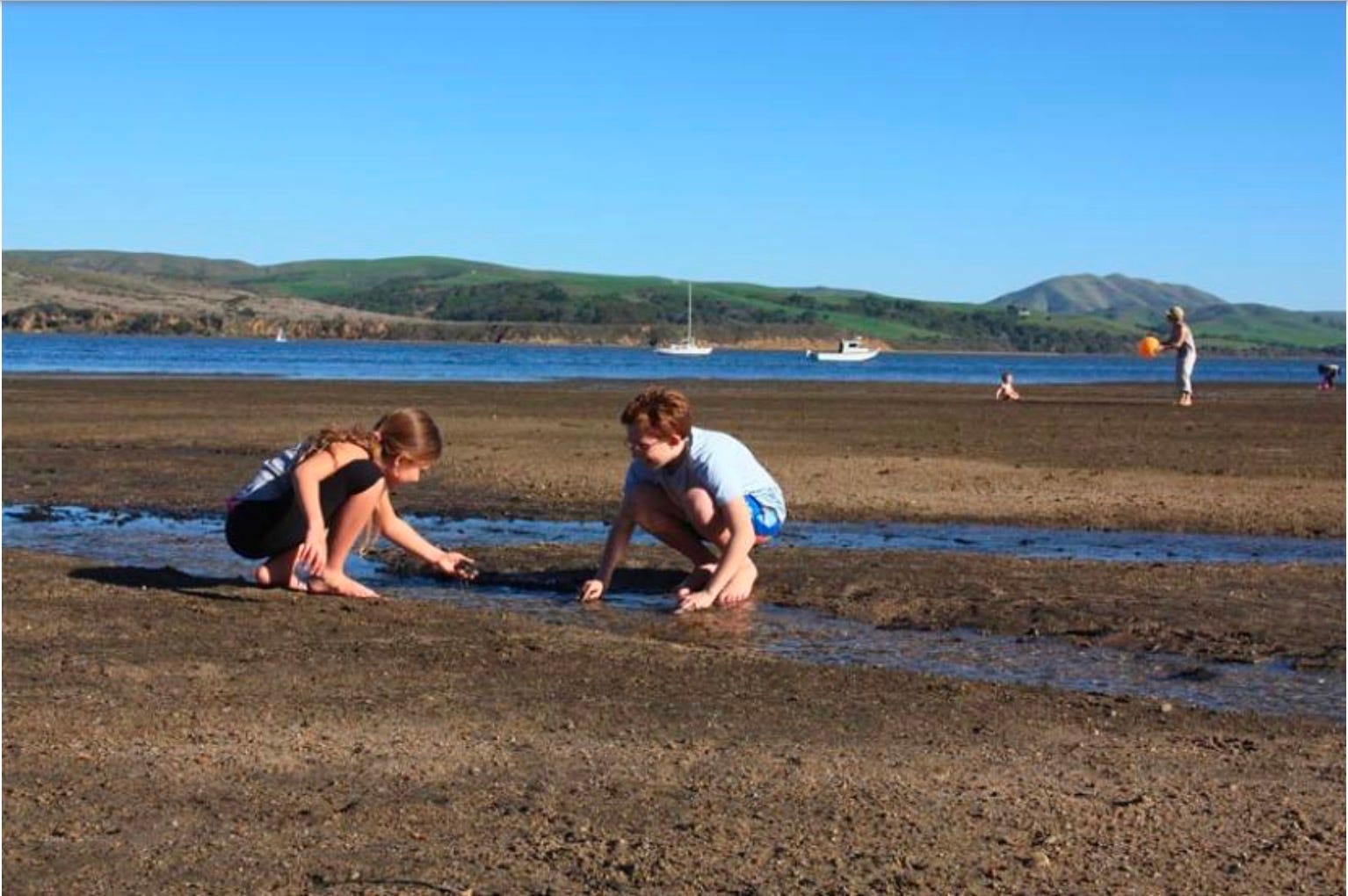
As for humans, I wonder how the application of glyphosate in the West Marin area will affect the drinking water? Will the California Parks Department pay for the local water company to test water sources? How will the application near waterways affect water quality where people swim and children play? Will the agency test the creeks that children play in down by the Tomales Bay to ensure they won’t be exposed?
A 2023 study from the UC Berkeley School of Public Health found that childhood exposure to glyphosate is linked to liver inflammation and metabolic disorder in early adulthood, which can lead to liver cancer, diabetes, and cardiovascular disease later in life.
Industry likes to say that small exposures to chemicals like glyphosate are “safe” but that doesn’t take into account the scientific research on endocrine disruptors. I’ve been writing about glyphosate, the main ingredient in Roundup since 2010 after first learning about the science of endocrine disrupting chemicals when I was studying nutrition at Bauman College in Berkeley, California. It was a new concept to me: the idea that a tiny amount of certain chemical compounds can cause profound biological effects. But it’s actually not at all counterintuitive, in fact, it’s the way that our hormonal systems work. The birth control pill provides an easy way to understand this: the pill provides as little as twenty micrograms (one microgram is one thousand times less than a milligram, the usual measurement for vitamins) of estrogen yet has the powerful effect of preventing a woman from ovulating. I went on to write at least a dozen articles, including in major national outlets, and then an entire book in 2018 that outlined the science and harms of using chemicals like glyphosate — among many others — that function as endocrine disruptors.
In 2016 I wrote the following for VICE
[S]cientists who study environmental chemicals strongly disagree with the idea that low levels of glyphosate are harmless. Fourteen of these experts recently published a consensus statement expressing concern that the herbicide may be an endocrine disrupting chemical (EDC), which means it has the potential to be biologically active even in extremely low doses. (Despite this, the EPA does not consider glyphosate to be an EDC.) Thousands of separate studies on EDCs have shown that low-level exposure could have detrimental health effects—including an increased risk for certain cancers, infertility, obesity, diabetes, and developmental problems. This suggests that even trace amounts of chemicals like glyphosate found in [our] foods could be carcinogenic or disruptive to other important biological functions. “Hormones themselves are active at parts per trillion and parts per billion levels [in our bodies],” John Peterson Myers, chief scientist at the research and policy nonprofit Environmental Health Sciences, told VICE. “In the real world of biology, those levels have huge effects. Hormone-disrupting chemicals can also be biologically powerful at those doses.”
In 2025, researchers found that even extremely small amounts of glyphosate can harm the gut, disrupt metabolism, and change behavior in mice — the researchers also found that these harms persist across generations. This is another signature of endocrine disrupting chemicals: their harms impact up to four future generations. A recent review also found that glyphosate has eight of ten key EDC characteristics.
Glyphosate contamination is rampant, in 2013-2014 an analysis in the US found that 81.2% of participants had detectable levels of glyphosate in their urine. And a 2020 study found glyphosate in more than 70 percent of American streams that were tested.
As such, this isn’t just a California problem. According to the Mother Jones report, the use of glyphosate in forests across the country is prevalent. Outside of California, most states do not have mandatory reporting systems in place for commercial pesticide and herbicide use — but after looking at private industry data, Halverson found that sixteen southern states accounted for 90 percent of the nation’s overall forest spraying.
We also have to keep in mind that we are exposed to glyphosate and many other pesticides and herbicides from multiple sources. By far, the largest use of glyphosate is sprayed on our foods. Every year, 280 million pounds of glyphosate are sprayed on 285 million acres of U.S. farmland and over 21 million more pounds are sprayed by homeowners, on roadways, and by gardening services. Recently, while in a nearby town in Marin, I watched gardeners spray an entire driveway and sidewalk across the street from where I was eating. Once they drove away in their truck, a woman with her dog walked right over the area and then went into her apartment. There were no signs posted and they surely tracked the chemical into their house. (This is a key reason that researchers advise removing your shoes before entering your home — as for the dog, I’m not sure how to remedy that).
Given the explosive use of herbicides and pesticides across the U.S., each community will have to take direct action to halt the practice. The response to the Mother Jones piece has been big on social media, with wide-scale calls to contact state officials and The Forest Service but according to a recent video that Mother Jones and Halverson made, the agency has already begun spraying the forest there. So I wonder what else we can do besides make calls and send emails? Given the current state of environmental destruction to our planet, will we continue to let these biocidal companies and governments destroy our health, our environments, and the health and lives of all the other creatures affected?
The other day I was talking with a local friend about the Tomales Bay Project and she said that if public opinion doesn’t stop the use of the herbicides here, she would go to the site to prevent it. “I mean, they can’t spray if we are all there,” she said. It may take us putting our bodies on the line to protect our health and the lives of all the species we share this land with. Indeed, we, and they, are already being affected by decisions made from up on high without our knowledge or consent.
If you want to tell officials not to use herbicides for The Tomales Bay Project that is set for the end of this Summer in West Marin, California, you can contact: Cindy Shafer, Natural Resource Program Manager: 707.769.5652
Bree Hardcastle, Environmental Scientist: 707.769.5652, Bree.Hardcastle@parks.ca.gov and bayareanaturalresources@parks.ca.gov.
If you want to contact the US Forest Service and tell them to stop spraying the 10,000 acres of California forest that is already underway this Spring, you can call the TRPA: 775-588-4547, press 0 and leave a message.
If you want to do more, organize locally with your family, friends, and neighbors.
Photo credits:
The National Park Service: https://www.nps.gov/articles/northern-spotted-owl-monitoring.htm
The Sonoma Mountain Institute: https://sonomamountaininstitute.org/2017/04/26/california-red-legged-frog/
Tomales Bay State Park Forest Health and Wildfire Resilience Project:https://www.parks.ca.gov/pages/470/files/TomalesBay_PSA-Compl_WCAG_Final.pdf
Thank you for this update. Community uprising is required. I wrote this piece recently regarding the USFS and their blatant toxic disregard for our environment: https://michelleperromd337477.substack.com/p/the-zombie-science-poisoning-our
Update: We now have a grassroots effort by some parents and community members.
More info is on the website: https://noroundupinverness.com
The petition to sign (it’s free, no need to pay): https://www.change.org/noroundupinverness
Thanks to your work, Kristin, I hope that we can work together to stop this from happening!